
Article Highlights
- A Bushfire Attack Level (BAL) measures a building’s potential exposure to embers, radiant heat and direct flames.
- The six ratings range from BAL-Low to BAL-FZ, with construction requirements increasing at higher risk levels.
- A professional BAL assessment considers surrounding vegetation, distance, slope and the proposed building location.
- Bushfire-rated screens such as SupaScreen® help protect windows and doors from embers and burning debris.
Living near bushland offers space, privacy and a connection to nature. It also means considering how your home could be exposed during a bushfire.
Understanding your property’s bushfire attack level helps you choose suitable building materials and protective features. These could include bushfire-resistant roofing, sealed gaps, compliant windows and Amplimesh SupaScreen® security screens.
In this guide, we explain the six BAL ratings, how an assessment is completed and what the result could mean for your windows, doors and security screens.
What is a bushfire attack level?
A Bushfire Attack Level, commonly called a BAL rating, measures a building’s potential exposure to ember attack, radiant heat and direct flame contact during a bushfire. The higher the rating, the greater the potential exposure and the more stringent the construction requirements become.
The assessment considers three main forms of bushfire attack:
- Burning debris and windborne embers
- Radiant heat from a nearby fire
- Direct exposure to flames
These hazards could ignite parts of a house before, during, or after the fire front passes. Embers are a particular concern because they could enter a building through small gaps, windows, doors, vents and roof spaces. They could also collect against combustible materials outside the home.
AS 3959:2018, Construction of Buildings in Bushfire-Prone Areas, establishes six bushfire attack levels. Each attack level reflects a different degree of exposure and corresponding bushfire construction requirements.
A BAL rating does not predict whether a home will survive a bushfire. It identifies the level of potential exposure at a specific building location so you can consider appropriate construction measures.
What are the 6 bushfire attack levels?
The six bushfire attack levels range from BAL-Low to BAL-FZ.
| BAL Rating | Potential bushfire exposure |
|---|---|
| BAL-Low | Very Low Risk Bushfire-resistant construction is not required under AS 3959. |
| BAL-12.5 | Low Risk Primarily ember attack, with radiant heat exposure up to 12.5 kW/m². |
| BAL-19 | Moderate Risk Increasing ember attack and burning debris, with radiant heat exposure between 12.5 and 19 kW/m². |
| BAL-29 | High Risk Increasing ember attack and burning debris, with radiant heat exposure between 19 and 29 kW/m². |
| BAL-40 | Very High Risk Increasing ember attack and burning debris, radiant heat exposure up to 40 kW/m² and an increased likelihood of flame exposure. |
| BAL-FZ | Extreme Risk (Flame Zone) Direct exposure to flames from the fire front, together with ember attack and intense radiant heat. |
Source: Western Australian Government
How does a BAL rating affect your home?
Your BAL rating helps determine the level of bushfire-resistant construction required for your home. As the potential exposure to ember attack, radiant heat and flames increases, different parts of the building may need additional protection.
Depending on the BAL rating, requirements can apply to:
- Windows, including glazing, frames, shutters and screens designed to help protect openings from ember attack and heat.
- External doors, including hinged, sliding, bi-fold, and garage doors, along with their frames, seals, and protective screens.
- Security and window screens which may need suitable metal mesh and materials for the applicable BAL and installation.
- Roofs including roof coverings, sarking, eaves, fascias, gables, skylights and other roof penetrations.
- External walls where the materials and construction method may need greater resistance to heat and bushfire attack.
- Vents, weepholes and gaps which may require ember-resistant screening or sealing to reduce opportunities for embers to enter the building.
- Floors and subfloor areas may require additional protection for exposed components, depending on the building design and BAL.
- Decks, verandahs, and attached structures may also need to meet relevant bushfire construction requirements when connected to, or located close to, the home.
For example, lower BAL ratings primarily focus on reducing vulnerability to ember attack and lower levels of radiant heat. At higher ratings, building materials and systems must account for increased radiant heat and, at BAL-40 and BAL-FZ, a greater potential for flame exposure.
A BAL rating applies to the building as a whole, not an individual product. For example, installing a bushfire-rated security screen does not automatically make the entire window or door opening compliant. The screen, glazing, frame, and surrounding construction must meet the property’s applicable requirements.
How is a BAL assessment completed?
A BAL assessment examines the conditions around the proposed building location. The rating is influenced by several site-specific factors, including:
- The type and classification of surrounding vegetation
- The distance between the building and vegetation
- The slope of the land under the vegetation
- The applicable fire danger index
- The location of the proposed building on the property
Vegetation matters because different landscapes create different bushfire conditions. Dense forest, woodland, scrub, shrubland and grassland do not present the same potential exposure.
Distance is also significant. A house close to classified vegetation will generally experience greater radiant heat exposure than one farther away. The slope beneath the vegetation matters because bushfires spread faster and more intensely uphill.
How to check whether your property is in a bushfire-prone area
In Western Australia, the Map of Bushfire Prone Areas identifies land designated as bushfire-prone by the Fire and Emergency Services Commissioner.
You could use this online map as an initial check to see whether your property falls wholly or partly within a designated area. However, the map doesn’t display your house’s BAL rating.
A bushfire-prone area designation and a BAL rating are two different things:
- The map identifies land designated as bushfire-prone.
- A BAL assessment determines the potential level of bushfire attack at a particular building location.
Is a BAL the same as a Fire Danger Rating?
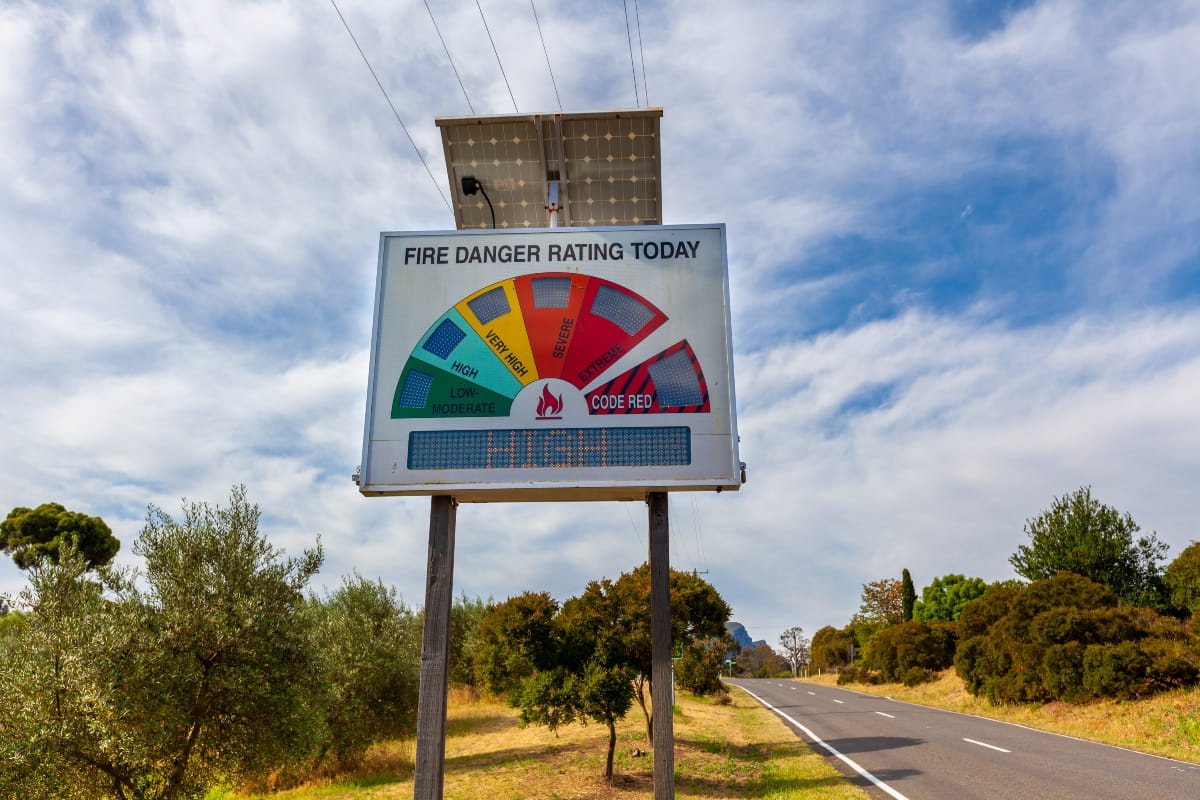
No. A Bushfire Attack Level and a Fire Danger Rating measure different things.
- Bushfire Attack Level assesses a specific building location’s potential bushfire exposure and helps determine the property’s construction requirements. It considers factors such as surrounding vegetation, distance and slope.
- Fire Danger Rating describes how dangerous a bushfire could be under current or forecast conditions. Ratings range from Moderate to Catastrophic and are influenced by factors such as weather and available vegetation fuels.
Your BAL helps guide how your home is designed or built, while the daily Fire Danger Rating helps you decide what action to take to stay safe during periods of bushfire risk.
When do you need a bushfire attack level assessment in WA?
You typically need a bushfire attack level assessment when planning building work in a designated bushfire-prone area.
Your local government will advise which documents are required for a planning application or building permit. For an accurate site assessment, engage a practitioner with the appropriate bushfire planning and design accreditation.
Don’t rely on a neighbouring property’s rating. Changes in vegetation, slope, distance and building location mean two houses on the same street could receive different ratings.
Bushfire-rated screens for doors and windows
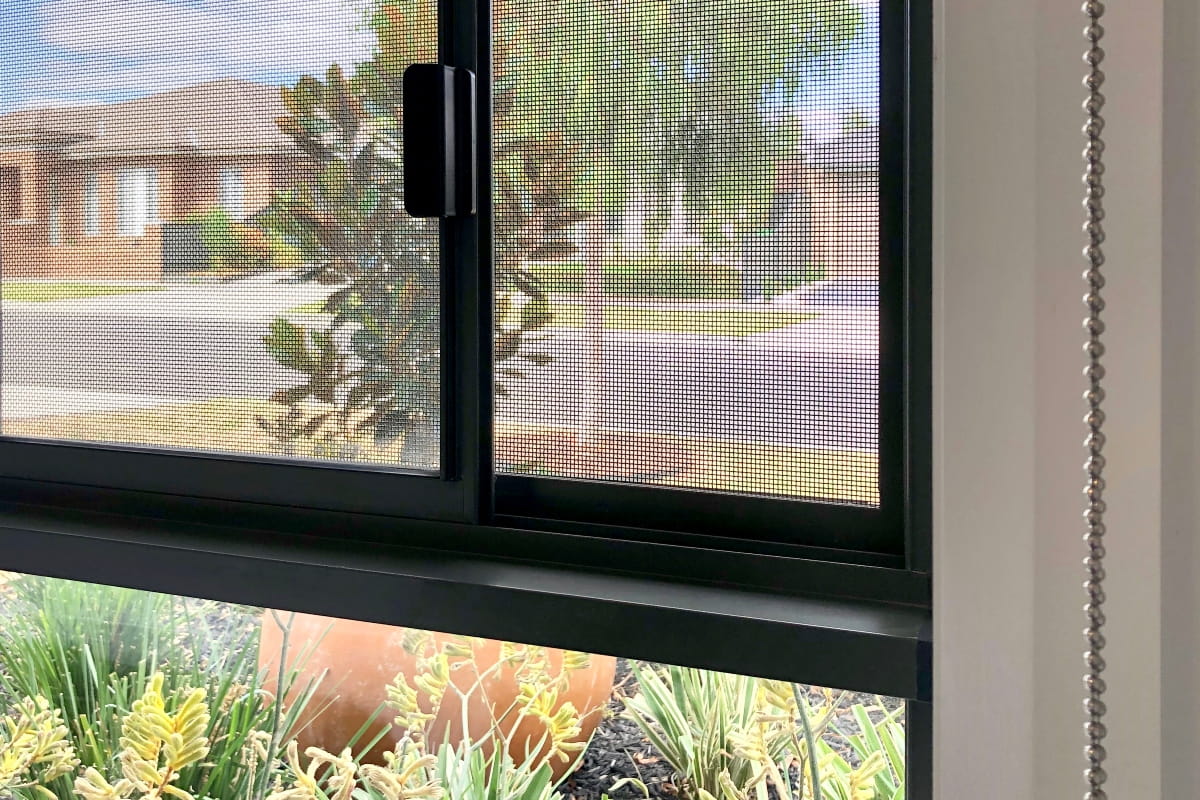
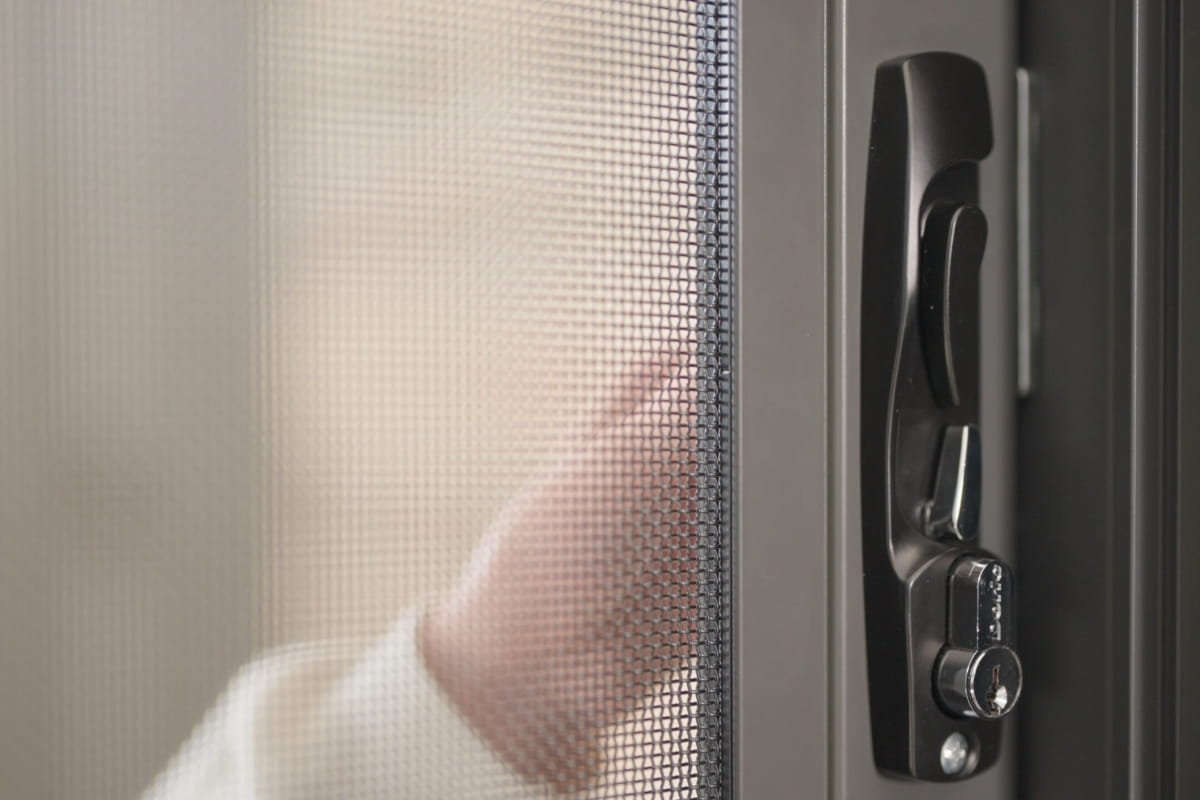
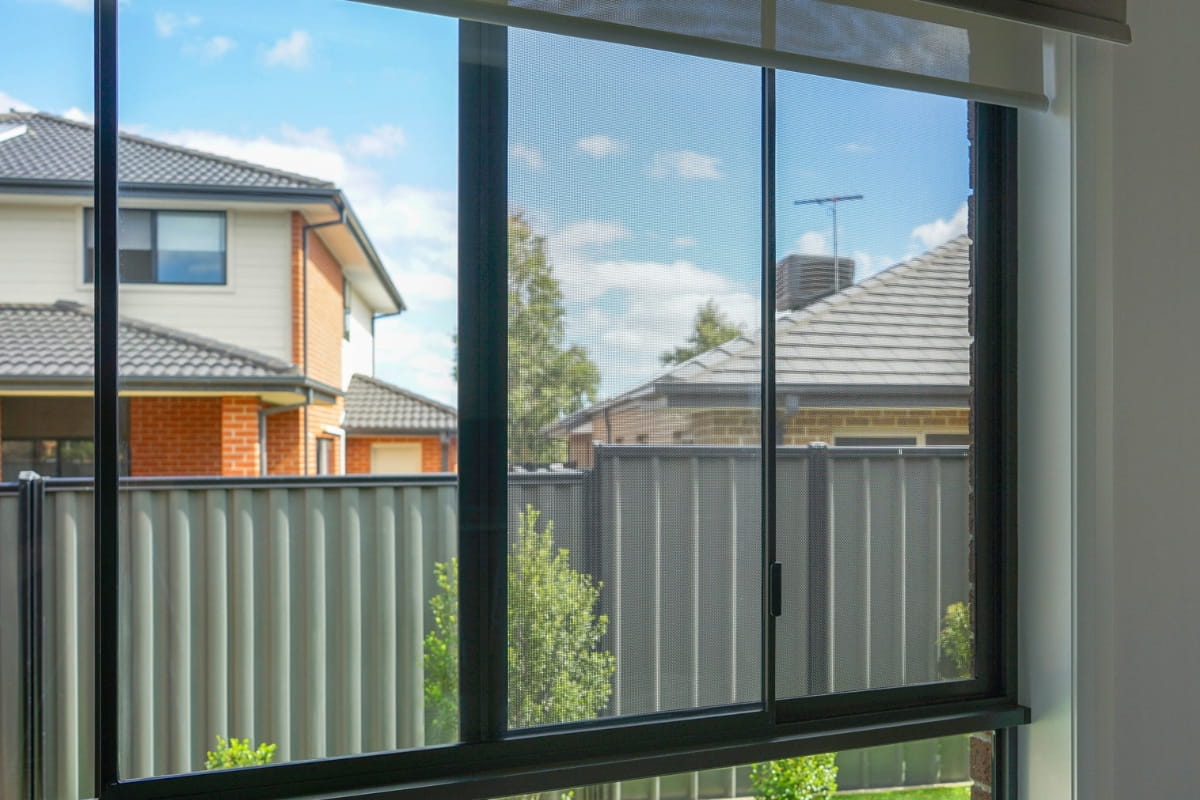
Windows and doors are vulnerable points during a bushfire. Heat could damage glazing, while windborne embers and burning debris could reach openings or enter through exposed gaps. A suitably specified bushfire-rated screen can help protect windows and doors by restricting windborne embers and burning debris with fine metal mesh.
Amplimesh SupaScreen® is a great option for bushfire protection without compromising security, airflow, or visibility. The screen has been independently tested to meet BAL-40 requirements for AS3959-2018.
However, a product’s BAL rating does not automatically make the entire opening compliant.
In this case, Amplimesh SupaScreen® is also suitable for bushfire-prone areas rated BAL-FZ, but only when paired with a window that has an FRL of at least -/30/- or in accordance with Australian Standard AS1530.8.2.
Homeowners should consider the complete window or door system, not the mesh or screen in isolation.
Additional benefits include:
- A clear 156-degree viewing angle
- Natural ventilation
- Resistance to corrosion and moisture
- Protection against forced entry
- A 16-year warranty, subject to warranty terms and maintenance requirements
SupaScreen® is available for a range of door types, including hinged, sliding and stacking doors, as well as fixed and emergency exit window screens.
What to do if your property has a higher BAL rating
If your property is in a high BAL zone, compliant construction is only one part of reducing bushfire risk. Regular maintenance helps limit combustible materials near the building and prevents gaps or damaged components from leaving your home vulnerable.
Before and during bushfire season:
- Clear gutters of leaves, twigs and other debris
- Remove leaf litter from around walls, decks and steps
- Keep vegetation maintained around the house
- Store combustibles away from external walls
- Check screens are secure and free from damage.
- Seal gaps where embers could enter
- Maintain roofs, windows and external doors
- Create a detailed fire escape plan for your home.
Higher bushfire-resistant construction does not replace property preparation, an emergency plan, or a fire escape plan.
Choose security screens suited to your BAL rating
Understanding your bushfire attack level helps you make informed decisions about your windows, doors and other building materials.
If you are planning a new house, a renovation, or a screen replacement in a bushfire-prone area, start by confirming your property’s requirements. Obtain a professional BAL assessment where required, and ensure each product suits the building’s rating.
Central Screens & Locks supplies and installs bushfire-rated security screens for homes across Perth. We’ll help you choose a suitable screen configuration based on your security, ventilation, and bushfire protection needs.
Contact our team to discuss or install bushfire-rated screens for added protection.
FAQs about Bushfire Attack Level
A bushfire attack level measures a building’s potential exposure to ember attack, burning debris, radiant heat and direct flame contact. It ranges from BAL-Low to BAL-FZ.
AS 3959 provides methods for determining a BAL, but the result has significant implications for planning, design and construction decisions. Seek advice from an accredited bushfire assessor when supporting planning or building permits.
No. BAL-Low indicates the assessed risk is not high enough to require specific construction requirements under AS 3959. It does not mean a bushfire is impossible or that property preparation is unnecessary.


