
Article Highlights
- Safety screen doors and security doors are not the same: a product may look secure, but that does not necessarily mean it has been tested to comply with security door standards.
- Product names can be misleading: terms such as safety screen, barrier screen and security-style screen may sound similar, yet they can offer very different levels of protection.
- Australian Standards matter: compliant security doors and screens should meet relevant testing requirements, including AS5039.
- Real security goes beyond appearance: a proper security screen door should help protect your home while still allowing fresh air, visibility and everyday comfort.
- Tested products offer greater peace of mind: if home security is the goal, choose security doors and screens that are designed, tested and installed for that purpose.
A safety screen door and a security door can sound similar, but they are not always built, tested or sold to the same standard. Some screen doors are designed mainly for airflow, visibility or insect protection, while compliant security doors should meet the relevant Australian Standards for security screen products.
This blog will help you spot misleading product names, understand what compliance really means and choose a screen door that offers the right level of protection for your home.
Safety screen door vs security door: What’s the difference?
Before choosing a screen door, it helps to compare what each option is actually meant to do. A safety screen door may suit basic everyday comfort, while a compliant security door is designed for tested protection at key entry points.
| Feature | Safety Screen Door | Security Door |
| Main purpose | Often used for airflow, visibility, insect protection or a basic barrier. | Designed to provide tested protection for doors and entry points. |
| Compliance | Not automatically tested to Australian security standards. | Should meet the relevant Australian Standards, including AS5039. |
| Security level | May look secure, but it may not be tested for forced entry resistance. | Built and tested as a security product. |
| Product system | May focus mainly on the screen, frame or general door function. | The mesh, frame, locks, hinges, fixings and installation all matter. |
| Best suited to | Everyday comfort, fresh air and keeping bugs out. | Home security, protection and peace of mind. |
The key takeaway is that a safety screen door may be fine for airflow and everyday comfort, but it should not be treated as a security product unless it has been tested and labelled as one. If protection is the priority, it is worth checking the product’s compliance before relying on the name alone.
Don’t be fooled by screen door name games
Words like “safety screen”, “barrier screen” and “security screen” can sound similar, but they do not always mean the same thing. A product may look strong or be marketed with security-style language, but that does not mean it has been tested as a compliant security screen.
The National Security Screen Association advises that only AS5039 compliant screens can be advertised, sold and installed as security screens. It also states that if there is no compliance label, the product should not be treated as a security screen.
That is why it is worth asking the right questions before you buy. A safety screen door may still offer airflow, visibility and insect protection, but if home security is your priority, the product name alone is not enough. Look for tested security products, licensed security installers and clear compliance information.
Why Australian Standards matter
Australian Standards help separate genuine security products from screen doors that simply look secure. AS 5039 is the key standard for security screen products, covering how security doors and security screens are manufactured and tested for performance.
- AS5039 compliance: This shows the product has been manufactured and tested as a security screen product, not just marketed with a strong-sounding name.
- Compliance label: The National Security Screen Association advises that compliant security doors and screens should have an AS5039 Compliance Label. If it is not labelled, it should not be treated as a security door.
- Complete system: The mesh, frame, locks, hinges, fixings and installation all need to work together.
- Tested protection: A compliant product should be tested for security performance, rather than relying on appearance alone.
- Proper installation: Even a high-quality security screen may not perform as expected if it is not installed correctly.
For homeowners, this makes it easier to compare products beyond the sales wording. Instead of relying on names like “safety screen” or “barrier door”, ask whether the product meets the relevant Australian Standards and has the right compliance label.
What this means for safety screen doors vs security doors
A product name can only tell you so much. Once you understand the role of Australian Standards, the next step is knowing what that means when comparing a safety screen door with a compliant security door in real life.
Where safety screen doors can cause confusion
A safety screen door can sound like a protective product, which is where the confusion starts. The name may suggest security, but that does not always mean the door has been tested, labelled or installed as a compliant security screen product.
For homeowners, this can lead to a few issues:
- Expecting security from a comfort product: A door chosen for airflow or insect protection may not provide the level of protection the homeowner assumes.
- Taking the name at face value: Words like “safety” or “barrier” can sound reassuring, but they do not prove tested security performance.
- Missing the compliance details: Without clear testing or labelling, it can be hard to know what standard the product actually meets.
- Relying on looks alone: A strong-looking screen door is not the same as a compliant security door designed for protection.
How compliant security doors remove the guesswork
A compliant security door gives you clearer evidence of what you are buying. Instead of relying on a product name or how strong the door looks, you can ask for proof that it has been made, tested and installed as a security product.
This makes the comparison much clearer:
- A clear standard to check: You are not left guessing whether the product is designed for security.
- Proof behind the claim: Compliance details and labelling help show that the door is more than just a strong-looking screen.
- Purpose-led design: The door is chosen for protection first, while still allowing practical benefits like airflow and visibility.
- Less room for misleading wording: A compliant security door should be sold and installed as exactly that, not hidden behind vague product names.
For homeowners, this is the main difference. A safety screen door may sound reassuring, but a compliant security door gives you something more reliable to base your decision on.
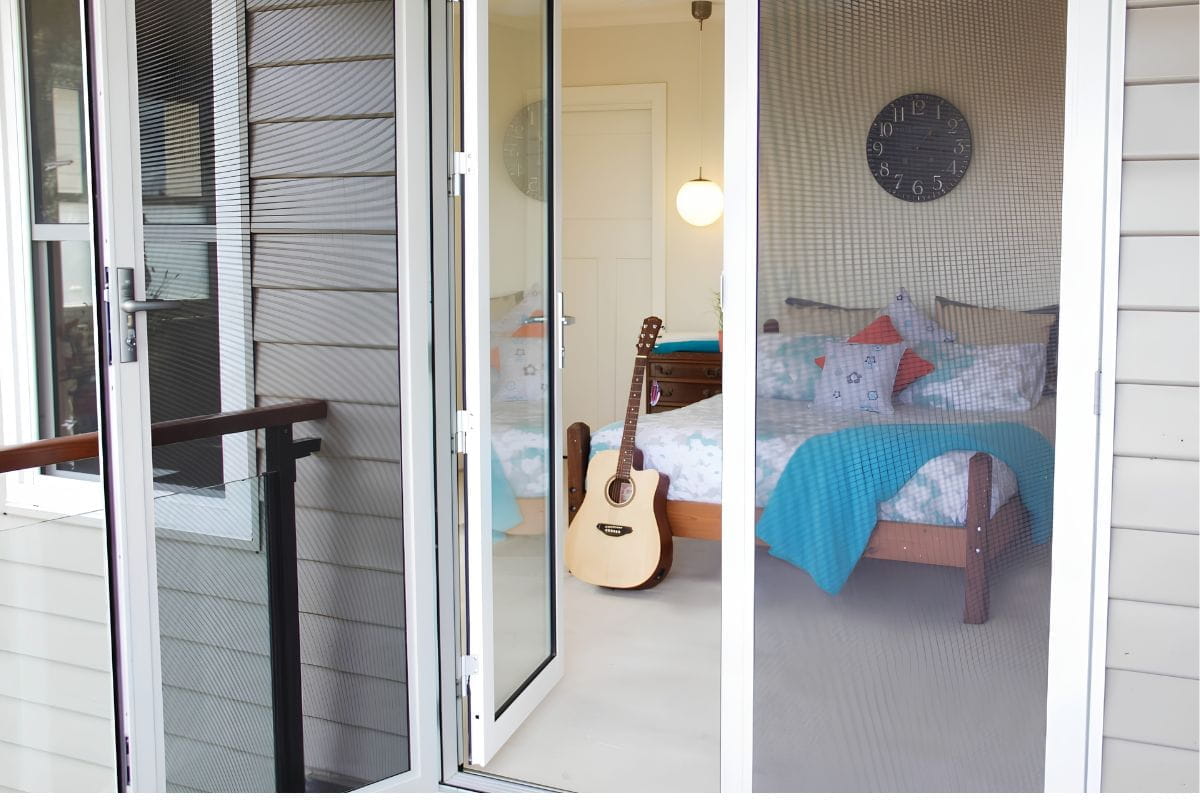
How to tell if you’re buying a compliant security door
Once you know a safety screen door is not automatically a security product, the next step is knowing what to look for. A genuine security screen door should give you clear proof that it has been designed, tested and installed for protection.
Before choosing a product for your front door, sliding doors or other entry points, check:
- Australian Standards: Ask whether the product meets the relevant Australian Standards for security screen products.
- Compliance label: Look for clear labelling that shows the door has been tested as a compliant security product.
- Full door system: Check that the mesh, frame, locks, hinges and fixings are designed to work together.
- Right style for the opening: A hinged security door may suit a front door, while sliding security screen doors may be better for patios, alfresco areas or wider openings.
- Durable materials: Ask about stainless steel mesh, aluminium framing, powder-coated finishes and corrosion resistance.
- Licensed installation: Make sure the product is installed by licensed security installers, so it can perform as intended.
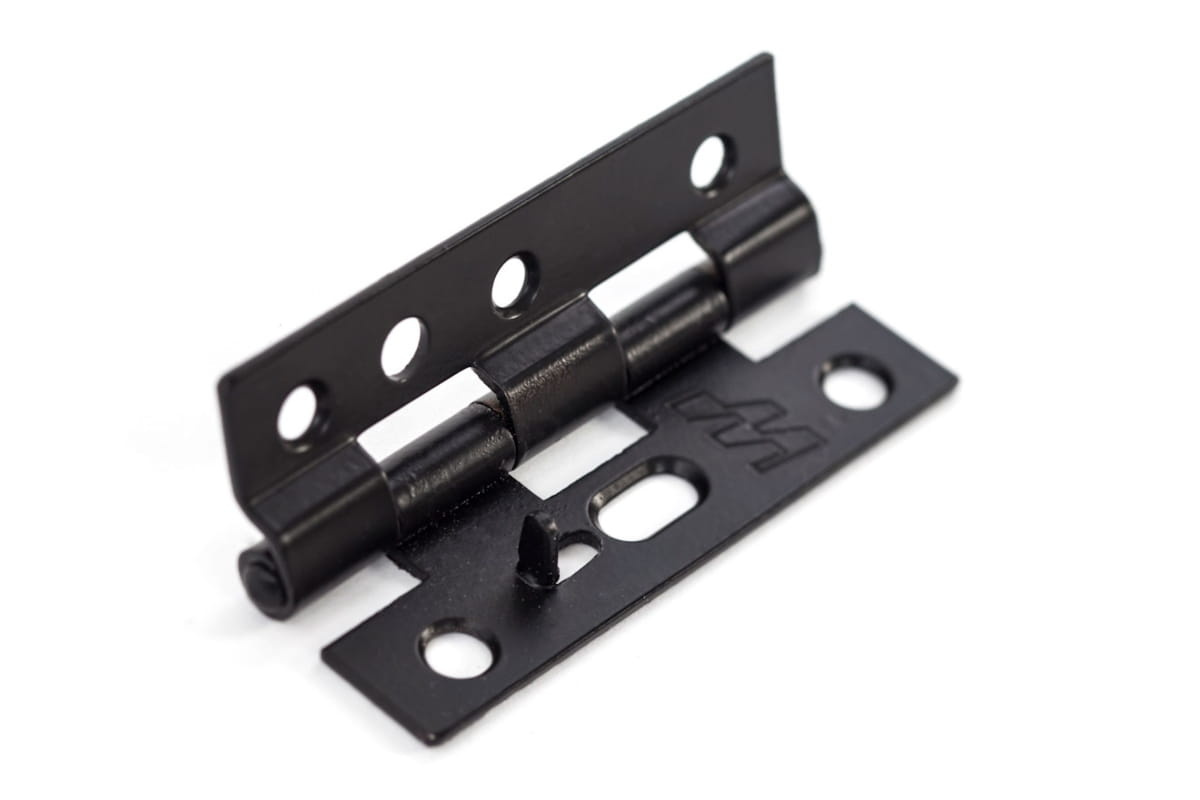
This helps you move beyond product names and compare what you are actually buying, from the compliance details through to the mesh, locks, frames and installation. If a door is only described as a safety screen door, ask for proof before assuming it offers the same protection as a compliant security door.
Choose compliant security doors and screens
Central Screens & Locks only supplies compliant security doors and security screens, so you are not left guessing whether your screen door is genuinely designed for protection. Instead of choosing a product that only sounds secure, you can choose a tested security solution made for Australian homes and businesses.
Whether you need a security screen door for your front door, sliding doors or another entry point, the team can help you compare suitable options. From durable mesh and aluminium frames to locks, colours and finishes, each option is designed to support home security without compromising fresh air, visibility or everyday comfort.
For greater peace of mind, speak with us today about compliant security doors and screens installed by experienced professionals.
Safety screen door vs security doors FAQs
A safety screen door may provide a basic barrier, but it should not be relied on as your main protection against break-ins or intruders. If security is the priority, choose a compliant security screen door that has been tested, labelled and installed for that purpose. Yes. A compliant security screen door can let fresh air and natural light into your home while helping keep the entry point more secure. This is one of the main reasons homeowners choose security screens for front doors, sliding doors and other frequently used openings. Not always. “Security fly screens” is sometimes used casually, but a fly screen is usually associated with insect protection. A true security screen should meet the relevant Australian Standards and be designed for protection, not just airflow or bug control. Quality security screen doors are designed with durability in mind, but corrosion resistance depends on the materials, finish and local conditions. If your home is near salt air, dust or harsh weather, ask about stainless steel mesh, aluminium framing, powder-coated finishes and other options that can help reduce rust and support long-term performance.


