
Article Highlights
- Fall prevention screens create a protective barrier that helps reduce the risk of a person, particularly a young child, falling through an openable window.
- Ordinary flyscreens are not designed for fall prevention, so homeowners should choose a screen that has been tested for the intended application.
- Fixed security screens allow windows to remain open for fresh air and natural ventilation while helping protect the opening.
- The screen, frame, fittings and installation all matter when meeting the relevant National Construction Code requirements for the window.
Fall prevention screens are designed to help reduce the risk of a person falling through an openable window. Properly designed window security screens provide a strong barrier across the opening while still allowing fresh air and natural ventilation into your home.
Openable windows can create a fall risk when young children can access them, especially where there is a significant drop to the surface below. This guide explains how fall prevention screens work, which windows may need fall protection and what to consider when choosing a suitable screen for your home.
What are fall prevention screens?
Fall prevention screens are window screens designed to withstand outward force across an openable window. Unlike a fly screen, which is primarily designed for insect protection, a fall prevention screen relies on the mesh, frame, fitting hardware and installation working together as a complete system.
Fall prevention screens are especially useful in homes where young children can access windows above ground level. They let the window stay open while adding protection across the opening, helping families balance ventilation, safety, and everyday comfort. Homeowners should understand the differences between flyscreens and security screens rather than assuming every type of window screen offers fall protection.
Why openable windows create a fall risk
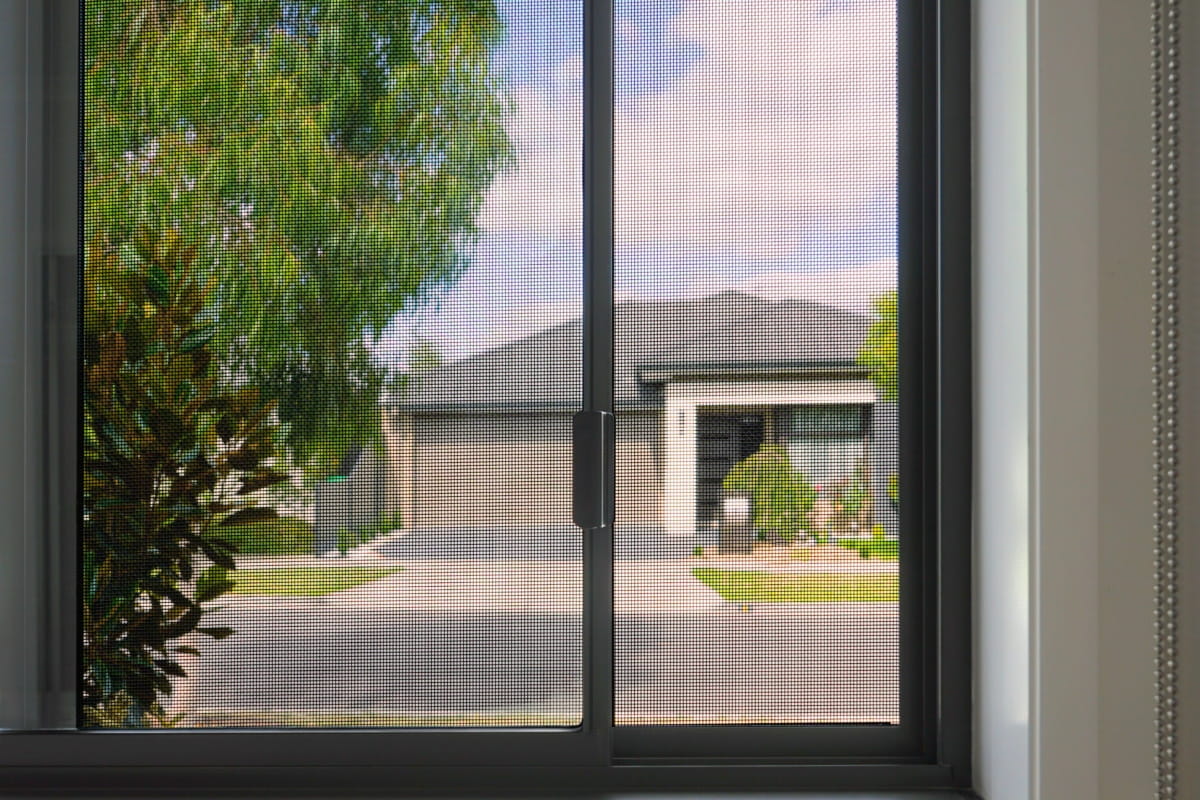
An openable window can become a fall risk when it is accessible, and there is a significant drop to the surface below. Young children may climb onto beds, chairs or other furniture near a window, then lean or push against the opening without understanding the danger.
To help reduce the risk of accidental falls, keep beds, chairs and other climbable furniture away from openable windows, particularly in rooms regularly used by young children.
An ordinary flyscreen may look like a protective barrier, but it is generally designed to keep insects outside rather than withstand the outward force of a person. This means families should not rely on a fly screen to prevent falls from upper-storey windows.
The risk is not limited to high-rise buildings. It can also apply to ground-floor or split-level homes and other elevated windows. Appropriate fall protection is especially important in apartments, where families may still want to open windows for ventilation without leaving the opening unprotected.
Which windows need fall prevention screens?
Fall prevention screens are particularly relevant where an openable window creates a significant fall risk. The need for protection depends on factors such as potential fall height, room type, the height of the window opening above the internal floor, and building classification.
Under the National Construction Code, key factors for homes include:
- A bedroom window where the floor below is 2 metres or more above the surface beneath and the lowest part of the opening is less than 1.7 metres above the internal floor.
- An openable window in another room where the floor below is 4 metres or more above the surface beneath.
- The building classification, room use, and window design.
For homeowners, it is also worth considering how accessible the window is in everyday use. Beds, chairs, cots and other furniture placed near a window can make the opening easier for young children to reach.
Apartments, multi-storey homes and houses on sloping sites can all have elevated windows that require closer attention. A fall prevention screen is one option for protecting an openable window while still allowing it to remain open for fresh air and natural ventilation.
How do fall prevention screens work?
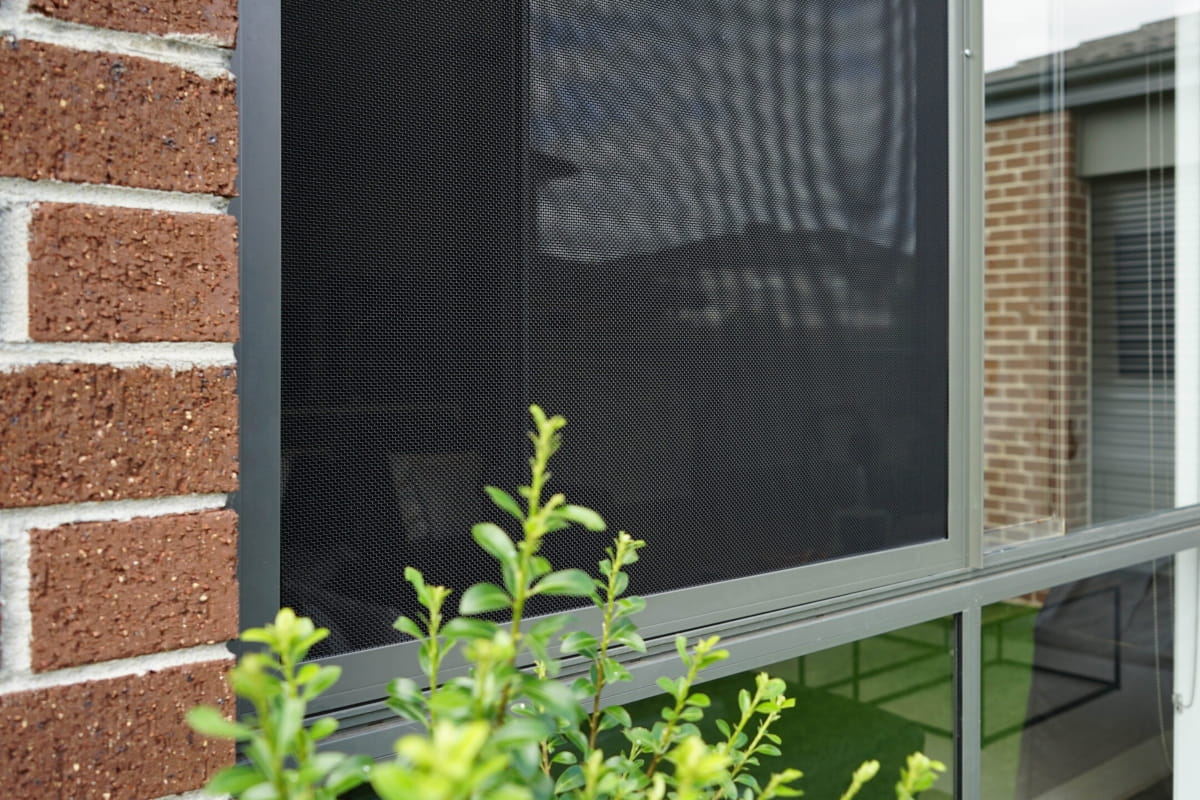
Fall prevention screens work by creating a strong, securely fitted barrier across an openable window. The mesh, frame, fitting hardware and installation must perform together to resist outward force and help prevent a person from passing through the opening.
Strong mesh and frames
The mesh must be strong enough for the intended fall-prevention application and held within a durable frame. Central Screens & Locks offers options such as SupaScreen® stainless steel security screens and IntrudaGuard® aluminium security screens, depending on the window, property and required level of protection.
Secure fitting hardware
Strong mesh alone is not enough. The frame and fitting hardware must also be securely attached so the screen remains in place when outward force is applied. Correct measurement and professional installation help ensure the entire screen system performs as intended.
Natural ventilation with added protection
A fixed fall prevention screen allows the window behind it to remain open for fresh air and natural ventilation. This lets households improve airflow without leaving the full window opening exposed.
What does the National Construction Code require?
The National Construction Code requirements for the protection of openable windows are intended to reduce the risk of a person, particularly a young child, falling through a window. The requirements vary depending on the building classification, room type, potential fall height, height of the window opening above the internal floor and whether the protection is fixed or releasable.
When are fall prevention measures required?
For residential buildings, particular requirements apply to bedroom windows where the floor below is 2 metres or more above the surface beneath and the lowest part of the opening is less than 1.7 metres above the internal floor.
For openable windows in rooms other than bedrooms, a barrier is required where the floor below the window is 4 metres or more above the surface beneath.
What must a fall prevention screen do?
Where a screen or window restriction device is used to meet the relevant fall prevention requirements, the screen or device must:
- Prevent a 125 mm sphere from passing through the screen or restricted opening.
- Resist an outward horizontal force of 250 N.
- Include a child-resistant release mechanism where the screen or device can be removed, unlocked or overridden.
A child-resistant release mechanism may require a key, tool or the coordinated use of two hands. Where a barrier is required, it must be at least 865 mm above the floor, must not permit a 125 mm sphere to pass through and must not have horizontal or near-horizontal elements between 150 mm and 760 mm above the floor that facilitate climbing.
Fall prevention products should also be tested for their intended purpose. AS 5203:2016, Protection of openable windows/fall prevention – Test sequence and compliance method is the Australian Standard that provides the test method for assessing fall-prevention performance.
Fall prevention screens compared with other window safety options
Different window safety products work in different ways. The right option depends on the window, potential fall height, ventilation needs and whether the opening also needs to provide emergency access.
| Window safety option | How it works | What to consider |
|---|---|---|
| Ordinary fly screen | Keeps insects outside while allowing airflow through the window. | Not designed for fall prevention. |
| Window restriction device | Limits how far an openable window can move. | Can limit airflow and may need a child-resistant release mechanism. |
| Fixed security screen | Creates a strong barrier while allowing the window to remain open. | Must be tested and suitable for the fall-prevention application. |
Are all security screens suitable for fall prevention?
No. A security screen is not automatically suitable for fall prevention simply because it is designed to resist forced entry. Security performance and fall-prevention performance address different requirements.
For fall prevention, the complete screen system, including the mesh, frame, fitting hardware and installation, needs to be suitable for the particular window and tested for the intended application. When choosing a screen, check that it meets the relevant fall-prevention requirements rather than relying on the term “security screen” alone.
Benefits of fall prevention screens for family homes
Fall prevention screens provide more than a barrier across an openable window. When designed, tested, and installed for the application, the screen can support family safety without requiring the window to remain closed.
Key benefits include:
- Reduced fall risk: A tested and correctly installed screen helps reduce the risk of a person, particularly a young child, falling through an open window.
- Natural air ventilation: The window can remain fully open behind a fixed screen, allowing fresh air to flow through the home.
- Insect protection: The mesh helps keep flies, mosquitoes and other insects outside.
- Added home security: Using a security-rated screen can also help resist forced entry.
- Clear views: Suitable mesh options allow households to maintain visibility through the window.
- Peace of mind: Parents can add another layer of protection to rooms with elevated windows that children can access.
Fall prevention screens should form part of a broader approach to window safety rather than being relied on as the only precaution. Kidsafe WA and WA child-health guidance recommend keeping beds and other climbable furniture away from windows to help reduce the risk of children climbing and falling.
Central Screens & Locks offers a range of security window screens that can be custom-made to suit different window openings and household requirements. The right product depends on the window design, required functionality, and whether the screen must meet specific fall-prevention requirements.
How to choose a fall prevention screen
The right fall prevention screen depends on the window, potential fall risk, how the room is used and whether the opening needs to serve another purpose, such as emergency access.
| What to consider | What to check |
| Fall-prevention testing | Confirm the complete screen system has been tested for fall prevention and suits the specific window. |
| Window location | Consider the potential fall height, room type and how easily children can access the opening. |
| Mesh and frame material | Compare options such as stainless steel mesh and perforated aluminium based on strength, visibility and the window location. |
| Fitting hardware | Check that the frame and fittings are designed to keep the screen secured when outward force is applied. |
| Window function | Consider whether the window needs to remain fully open for ventilation or also provide emergency access. |
| Professional installation | Choose an experienced installer who can measure the opening and recommend a screen system suited to the window and relevant requirements. |
For windows that do not need to function as an escape route, fixed security window screens can provide a combination of fall protection, ventilation and security. Where emergency access is required, a purpose-designed emergency exit window screen may be more appropriate.
Central Screens & Locks has supplied security solutions in Perth since 1993 and is an authorised Amplimesh® installer. Learn more about Central Screens & Locks and its approach to measuring, supplying and installing security screens.
Protect your family with fall prevention screens
Every window is different, so the right fall prevention screen solution depends on the height, location, window design and how the opening needs to function.
Central Screens & Locks supplies and installs custom security window screens for homes across Perth. Contact Central Screens & Locks to discuss your windows, compare suitable screen options and request a quote.
FAQs about fall prevention screens
Yes, fall prevention screens can often be fitted to existing windows. The window opening, frame and surrounding structure should first be assessed to determine which screen system and fitting method are suitable.
Not necessarily. Requirements depend on factors such as potential fall height, room type, the height of the opening above the internal floor, and building classification. Assess an elevated window against the relevant National Construction Code requirements rather than assuming the same rules apply to every upper-storey window.
For some windows, a suitable fall prevention screen can replace a window restriction device. The right option depends on factors such as the room type, potential fall height, opening height, and whether the window needs to provide emergency access.
A permanently fixed screen may not be appropriate where the window needs to provide emergency access. In these situations, a purpose-designed emergency exit window screen may provide a more suitable solution while still protecting the opening during normal use.
Regularly check the mesh, frame and fitting hardware for damage, movement, corrosion or loose components. Arrange a professional inspection if the screen has been struck, subjected to significant force or appears to have moved away from the window frame.


